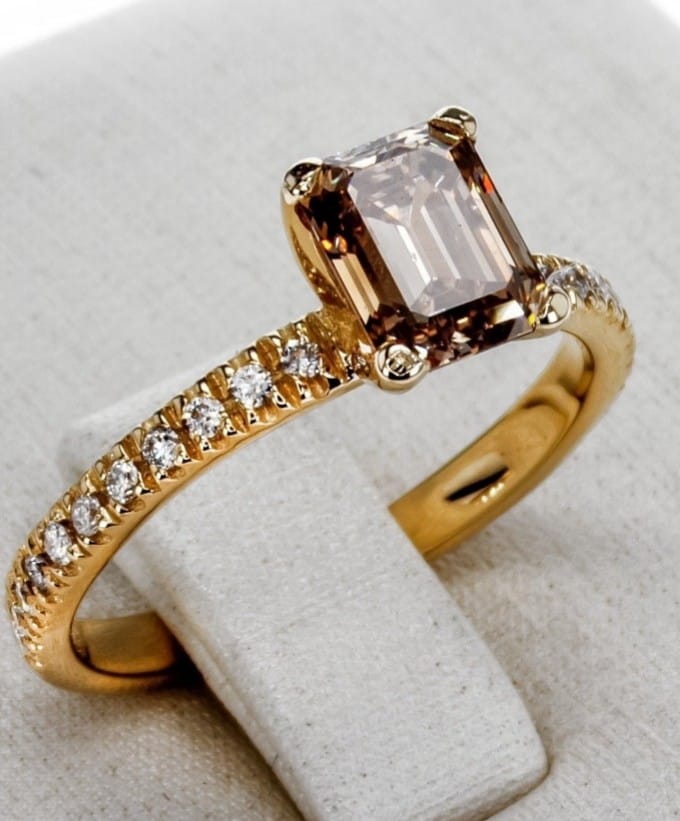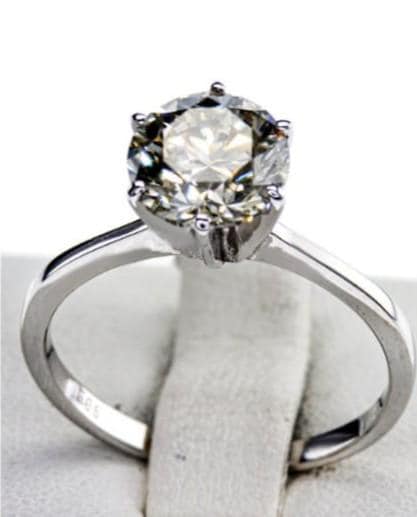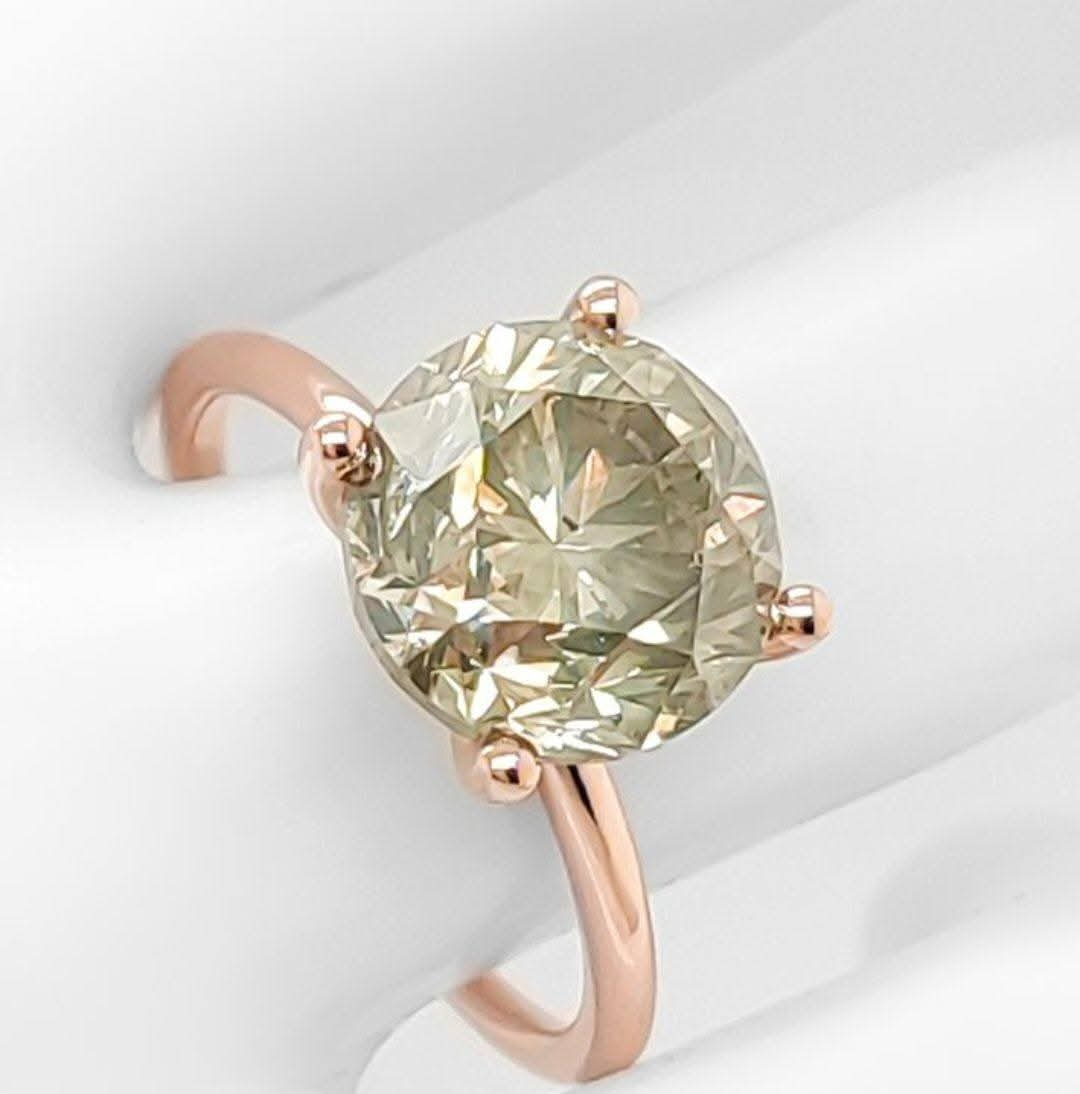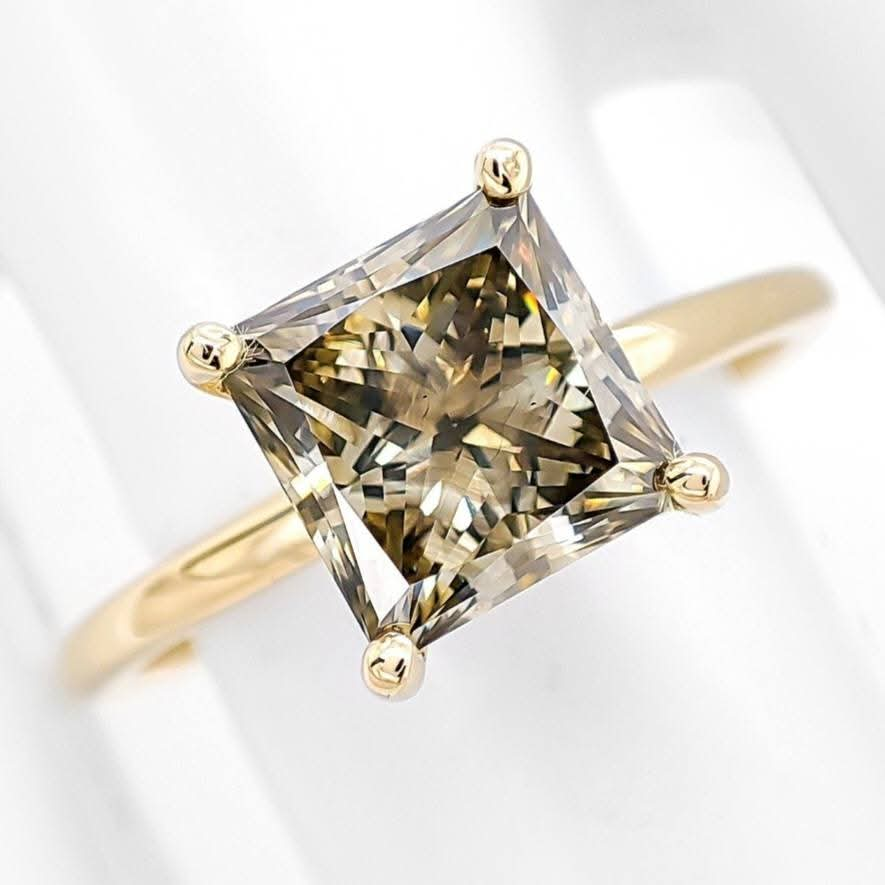
Taking our name from what Jersey is affectionately known as, Rocque Diamonds shows a limited selection of unique Diamond Jewellery at very competitive prices.
One of the partners explained we keep an eye on trends in the market so our ‘Gem fashionistas’ can be sure of showing off the latest in global vogue as well as wearing a one of a kind piece.
At the moment we are focusing on the emerging rare Grey Diamond market. The scarcity of these precious gems can only lead to an increase in value.
Taking our name from what Jersey is affectionately known as, Rocque Diamonds shows a limited selection of unique Diamond Jewellery at very competitive prices.
One of the partners explained we keep an eye on trends in the market so our ‘Gem fashionistas’ can be sure of showing off the latest in global vogue as well as wearing a one of a kind piece.
At the moment we are focusing on the emerging rare Grey Diamond market. The scarcity of these precious gems can only lead to an increase in value.
Taking our name from what Jersey is affectionately known as, Rocque Diamonds shows a limited selection of unique Diamond Jewellery at very competitive prices.
One of the partners explained we keep an eye on trends in the market so our ‘Gem fashionistas’ can be sure of showing off the latest in global vogue as well as wearing a one of a kind piece.
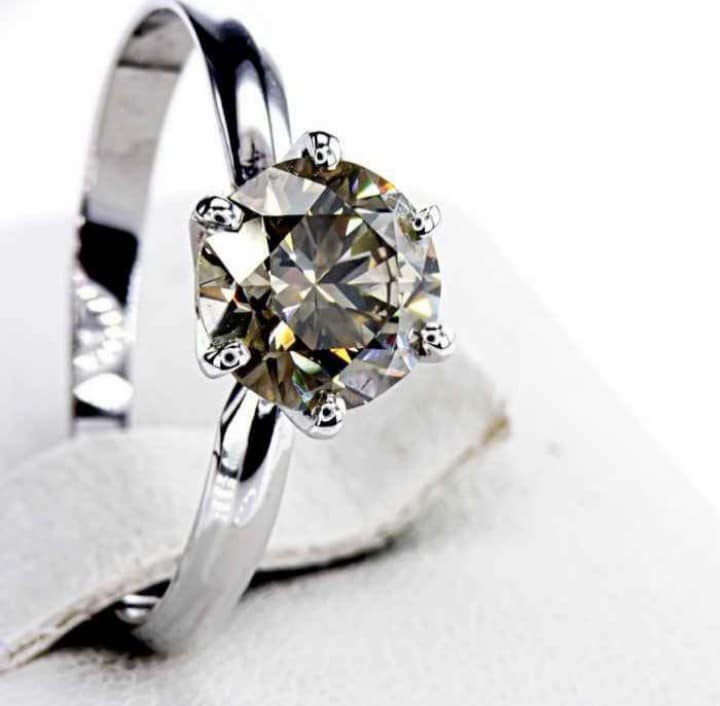
At the moment we are focusing on the emerging rare Grey Diamond market. The scarcity of these precious gems can only lead to an increase in value.
Grey diamonds are among the rarest fancy diamonds. They are rarer than blue, violet, and pink diamonds! Only a few times a year, miners stumble upon grey diamonds in mines around the world. Their rarity is the main reason why most haven’t even heard of them yet. High Street Jewellers don’t buy these in because their market is mainstream white, Greys being too short in supply and specialist for them.
Rarity is directly linked to price when it comes to diamonds. Also, popularity for discerning trend setters who, being ahead of the game, want to have something very unique to wear.
Our prices are low because we operate through social media platforms and keep minimum stock levels. We also do not have high street retail shop overheads, staff salaries or ‘middle men ‘. We source our own Diamond rings direct from just two traditional family jewellery makers. Their natural Diamonds are mined in Central Africa.
Rocque Diamonds have sold rings to the trade in London’s Hatton Garden as well as through international auctions in London and Birmingham. We offer our rings initially direct to the public at pre-trade auction estimate prices. We pride ourselves in providing good quality Gem stones in craftsmanship settings at an affordable, sound investment price.
We refund guarantee that our Diamonds are natural mined. This can be further certified at DeBeers gem labs In London who only assess natural gems or, Anchor gem Labs in Birmingham.
Unless viewing and buying in person. Once payment is received we can ship your ring globally, fully insured and tracked via DHL and Fedex.

Donec blandit lorem cursus, lobortis neque et, egestas ante. Morbi tincidunt turpis nisi. Interdum et malesuada fames ac ante ipsum primis in faucibus.
get special price THIS WEEK
This is dummy text This is dummy text This is dummy text This is dummy text This is dummy text This is dummy text This is dummy text
This is dummy text This is dummy text This is dummy text This is dummy text This is dummy text This is dummy text This is dummy text
This is dummy text This is dummy text This is dummy text This is dummy text This is dummy text This is dummy text This is dummy text
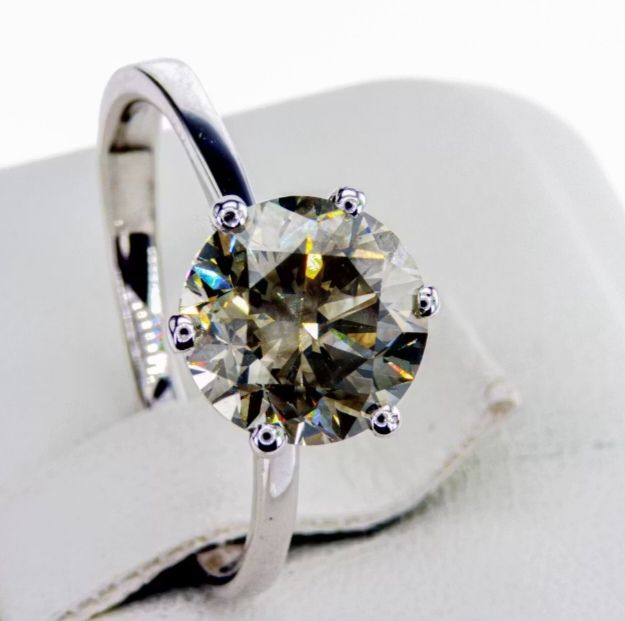
Introducing Rocque Diamonds. Inaugurated in Jersey (Channel Islands), taking its name from what the Island is affectionately known as, Rocque Diamonds shows a limited selection of unique diamond rings at competitive prices.
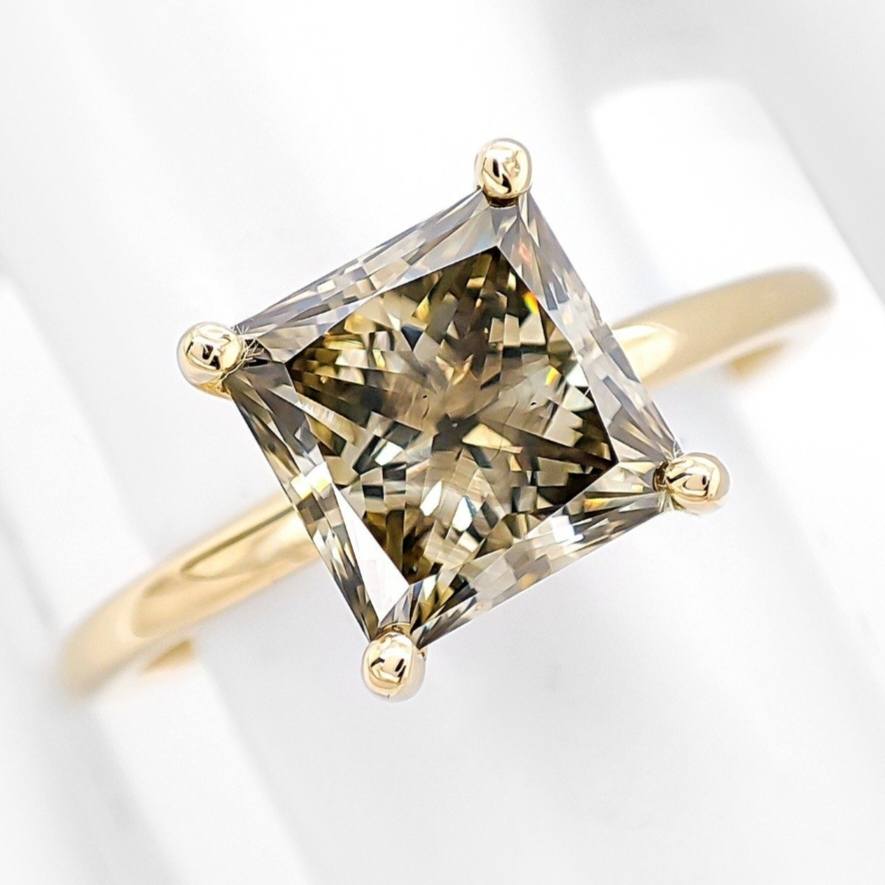
Our resident diamond expert tells us that the market in natural ‘White Diamonds’ has recently slightly dropped due to lab-grown imitations, advertised as ‘the real deal’, selling at a fraction of the cost.
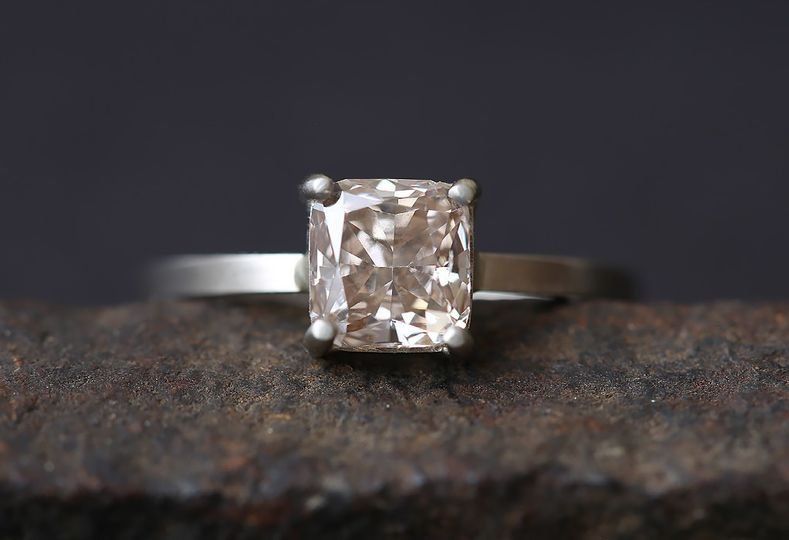
Our resident Diamond expert tells us that the market in natural ‘ White Diamonds ‘ has dropped due to Lab Grown imitations, advertised as ‘the real deal’, selling at a fraction of the cost. Indeed, DeBeers heavily endorsed this concept…
We buy direct from carefully selected family jewellery makers. Operating through social media and keeping minimum stock levels, we have low overheads. This means our clients buy quality natural mined diamonds at a pre-trade auction price, which means a sound investment and always growth in value potential.
One of the partners explained:
“We keep an eye on trends in the market so our ‘Gem fashionistas’ can be sure of showing off the latest in global vogue, as well as wearing a one-of-a-kind piece.”
Grey Diamond Specialists
At the moment, we are focusing on the emerging rare grey diamond market. The scarcity of these precious gems can only lead to an increase in value.
How Rare Are Grey Diamonds?
Grey diamonds are among the rarest fancy diamonds. They are rarer than blue, violet, and even pink diamonds. Only a few times a year do miners stumble upon grey diamonds in mines around the world.
Their rarity is the main reason why most people haven’t even heard of them yet. High Street jewellers don’t buy these in because their market is mainstream white diamonds, and greys are too short in supply and too specialist for them.
Rarity is directly linked to price when it comes to diamonds. Also, popularity for discerning trendsetters who, being ahead of the game, want to have something unique to show off.
We buy direct from carefully selected family jewellery makers. Operating through social media and keeping minimum stock levels, we have low overheads. This means our clients buy quality natural mined diamonds at a pre-trade auction price, which means a sound investment and always growth in value potential.
One of the partners explained:
“We keep an eye on trends in the market so our ‘Gem fashionistas’ can be sure of showing off the latest in global vogue, as well as wearing a one-of-a-kind piece.”
Grey Diamond Specialists
At the moment, we are focusing on the emerging rare grey diamond market. The scarcity of these precious gems can only lead to an increase in value.
How Rare Are Grey Diamonds?
Grey diamonds are among the rarest fancy diamonds. They are rarer than blue, violet, and even pink diamonds. Only a few times a year do miners stumble upon grey diamonds in mines around the world.
Their rarity is the main reason why most people haven’t even heard of them yet. High Street jewellers don’t buy these in because their market is mainstream white diamonds, and greys are too short in supply and too specialist for them.
Rarity is directly linked to price when it comes to diamonds. Also, popularity for discerning trendsetters who, being ahead of the game, want to have something unique to show off.
Our resident Diamond expert tells us that the market in natural ‘ White Diamonds ‘has dropped, due to Lab Grown imitations, advertised as ‘the real deal’, selling at a fraction of the cost. Indeed, DeBeers heavily endorsed this concept with their own Lab Grown brand ‘ Light Box ‘ which, they have now sold off, to focus on natural coloured Diamonds.
There is no doubt in our mind that Lab Grown, do have a certain sparkle about them. However, with more economical and faster processes, one cannot get away from the fact that, they are imitation gems, as opposed to, a natural Diamond formed in the earth, over millions of years.
To help settle recent debates about which gems to buy for value and rarity, we once again turn to DeBeers who are, top of their grade when it comes to Diamonds and value. It used to be ‘ the 4C’s ‘ to value Diamonds but, now the letter R for rarity adds greater value. Natural coloured Diamonds make up just 1% of all Diamonds mined. This of course, adds a premium to their value.
Once focused on colorless diamonds, which are now all too common, DeBeers are now heavily promoting natural coloured Diamonds, especially Grey, champagne, brown, and yellow hues.
DeBeers are running campaigns such as, “Desert Diamonds “, to differentiate them from lab-grown stones and tap into demand for unique natural gems. This positions them as rare, earthy treasures.
With significant marketing backing, including celebrity endorsements, the demand for grey Diamonds is also increasing, especially in the American market, with shrewd investors and fashionistas snapping them up when they come available.
Market Shifts in Natural Diamonds
De Beers heavily endorsed this concept with their own lab-grown brand ‘Lightbox’, which they have now sold off to focus on colours. There is no doubt in our mind that lab-growns do have a certain sparkle about them. However, with more economical and faster processes, one cannot get away from the fact that they are imitation gems, as opposed to a natural diamond formed in the earth over millions of years.
To help settle recent debates about which gems to buy for value and rarity, we once again turn to De Beers, who are top of their grade when it comes to diamonds and value.
It used to be ‘the 4 C’s’ to value diamonds, but now the letter R for Rarity adds greater value. Natural coloured diamonds make up just 1% of all diamonds mined, which of course adds a premium to value.
Once focused on colourless diamonds, which are all too common, De Beers are now heavily promoting natural coloured diamonds, especially champagne, brown, and yellow hues.
Running campaigns like “Desert Diamonds” to differentiate them from lab-grown stones, they are tapping into demand for unique natural gems and positioning them as rare, earthy treasures. This shift is supported by significant marketing backing, including celebrity endorsements.
The demand for grey diamonds has also increased in the American market, with shrewd investors and fashionistas snapping them up when they become available at the right price — and the right price is what we at Rocque Diamonds are known for.
Once again following market trends, Rocque Diamonds are dropping white diamonds and, along with De Beers, providing rare coloured hues at our usual, available-to-the-public, pre-trade auction prices.
Our resident Diamond expert tells us that the market in natural ‘ White Diamonds ‘has dropped, due to Lab Grown imitations, advertised as ‘the real deal’, selling at a fraction of the cost. Indeed, DeBeers heavily endorsed this concept with their own Lab Grown brand ‘ Light Box ‘ which, they have now sold off, to focus on natural coloured Diamonds.
There is no doubt in our mind that Lab Grown, do have a certain sparkle about them. However, with more economical and faster processes, one cannot get away from the fact that, they are imitation gems, as opposed to, a natural Diamond formed in the earth, over millions of years.
To help settle recent debates about which gems to buy for value and rarity, we once again turn to DeBeers who are, top of their grade when it comes to Diamonds and value. It used to be ‘ the 4C’s ‘ to value Diamonds but, now the letter R for rarity adds greater value. Natural coloured Diamonds make up just 1% of all Diamonds mined. This of course, adds a premium to their value.
Once focused on colorless diamonds, which are now all too common, DeBeers are now heavily promoting natural coloured Diamonds, especially Grey, champagne, brown, and yellow hues.
DeBeers are running campaigns such as, “Desert Diamonds “, to differentiate them from lab-grown stones and tap into demand for unique natural gems. This positions them as rare, earthy treasures.
With significant marketing backing, including celebrity endorsements, the demand for grey Diamonds is also increasing, especially in the American market, with shrewd investors and fashionistas snapping them up when they come available.
Market Shifts in Natural Diamonds
De Beers heavily endorsed this concept with their own lab-grown brand ‘Lightbox’, which they have now sold off to focus on colours. There is no doubt in our mind that lab-growns do have a certain sparkle about them. However, with more economical and faster processes, one cannot get away from the fact that they are imitation gems, as opposed to a natural diamond formed in the earth over millions of years.
To help settle recent debates about which gems to buy for value and rarity, we once again turn to De Beers, who are top of their grade when it comes to diamonds and value.
It used to be ‘the 4 C’s’ to value diamonds, but now the letter R for Rarity adds greater value. Natural coloured diamonds make up just 1% of all diamonds mined, which of course adds a premium to value.
Once focused on colourless diamonds, which are all too common, De Beers are now heavily promoting natural coloured diamonds, especially champagne, brown, and yellow hues.
Running campaigns like “Desert Diamonds” to differentiate them from lab-grown stones, they are tapping into demand for unique natural gems and positioning them as rare, earthy treasures. This shift is supported by significant marketing backing, including celebrity endorsements.
The demand for grey diamonds has also increased in the American market, with shrewd investors and fashionistas snapping them up when they become available at the right price — and the right price is what we at Rocque Diamonds are known for.
Once again following market trends, Rocque Diamonds are dropping white diamonds and, along with De Beers, providing rare coloured hues at our usual, available-to-the-public, pre-trade auction prices.
Our resident Diamond expert tells us that the market in natural ‘ White Diamonds ‘has dropped, due to Lab Grown imitations, advertised as ‘the real deal’, selling at a fraction of the cost. Indeed, DeBeers heavily endorsed this concept with their own Lab Grown brand ‘ Light Box ‘ which, they have now sold off, to focus on natural coloured Diamonds.
There is no doubt in our mind that Lab Grown, do have a certain sparkle about them. However, with more economical and faster processes, one cannot get away from the fact that, they are imitation gems, as opposed to, a natural Diamond formed in the earth, over millions of years.
To help settle recent debates about which gems to buy for value and rarity, we once again turn to DeBeers who are, top of their grade when it comes to Diamonds and value. It used to be ‘ the 4C’s ‘ to value Diamonds but, now the letter R for rarity adds greater value. Natural coloured Diamonds make up just 1% of all Diamonds mined. This of course, adds a premium to their value.
Once focused on colorless diamonds, which are now all too common, DeBeers are now heavily promoting natural coloured Diamonds, especially Grey, champagne, brown, and yellow hues.
DeBeers are running campaigns such as, “Desert Diamonds “, to differentiate them from lab-grown stones and tap into demand for unique natural gems. This positions them as rare, earthy treasures.
With significant marketing backing, including celebrity endorsements, the demand for grey Diamonds is also increasing, especially in the American market, with shrewd investors and fashionistas snapping them up when they come available.
We buy direct from carefully selected family jewellery makers. Operating through social media and keeping minimum stock levels, we have low overheads. This means our clients buy quality natural mined diamonds at a pre-trade auction price, which means a sound investment and always growth in value potential.
One of the partners explained:
“We keep an eye on trends in the market so our ‘Gem fashionistas’ can be sure of showing off the latest in global vogue, as well as wearing a one-of-a-kind piece.”
Grey Diamond Specialists
At the moment, we are focusing on the emerging rare grey diamond market. The scarcity of these precious gems can only lead to an increase in value.
How Rare Are Grey Diamonds?
Grey diamonds are among the rarest fancy diamonds. They are rarer than blue, violet, and even pink diamonds. Only a few times a year do miners stumble upon grey diamonds in mines around the world.
Their rarity is the main reason why most people haven’t even heard of them yet. High Street jewellers don’t buy these in because their market is mainstream white diamonds, and greys are too short in supply and too specialist for them.
Rarity is directly linked to price when it comes to diamonds. Also, popularity for discerning trendsetters who, being ahead of the game, want to have something unique to show off.
Introducing ” Rocque Diamonds ” .
Taking our name from what Jersey is affectionately known as, Rocque Diamonds shows a limited selection of unique Diamond Jewellery at very
competitive prices.
We source our Diamond rings direct from just two traditional family jewellery makers. Their Diamonds are natural mined in Central Africa.
Why are our prices so low?
Our prices are low because we buy direct from the maker and operating through social media platforms we keep minimum stock levels. We also do not have high street retail shop overheads, staff salaries or ‘middle men ‘.
Trade Prices to you
Rocque Diamonds have sold rings to the trade in London’s Hatton Garden as well as through international auctions in London and Birmingham. We offer our rings initially direct to the public at pre-trade auction estimate prices.
Buy with confidence
We refund guarantee that our Diamonds are natural mined. This can be further certified at DeBeers gem labs In London who only assess natural gems or, Anchor gem Labs in Birmingham.
Shipping
Unless viewing and buying in person. Once payment is received we can ship your ring globally, fully insured and tracked via DHL and Fedex.
Grey Diamond Specialists
At the moment we are focusing on the emerging rare Grey Diamond market. The scarcity of these precious gems can only lead to an increase in value.
How Rare Are Grey Diamonds?
Grey diamonds are among the rarest fancy diamonds. They are rarer than blue, violet, and pink diamonds! Only a few times a year, miners stumble upon grey diamonds in mines around the world. Their rarity is the main reason why most haven’t even heard of them yet . High Street Jewellers don’t buy these in because their market is mainstream white, Greys being too
short in supply and specialist for them.
Rarity is directly linked to price when it comes to diamonds. Also, popularity for discerning trend setters who, being ahead of the game, want to have something very unique to wear.
Our resident Diamond expert tells us that the market in natural ‘ White Diamonds ‘has dropped, due to Lab Grown imitations, advertised as ‘the real deal’, selling at a fraction of the cost. Indeed, DeBeers heavily endorsed this concept with their own Lab Grown brand ‘ Light Box ‘ which, they have now sold off, to focus on natural coloured Diamonds.
There is no doubt in our mind that Lab Grown, do have a certain sparkle about them. However, with more economical and faster processes, one cannot get away from the fact that, they are imitation gems, as opposed to, a natural Diamond formed in the earth, over millions of years.
To help settle recent debates about which gems to buy for value and rarity, we once again turn to DeBeers who are, top of their grade when it comes to Diamonds and value. It used to be ‘ the 4C’s ‘ to value Diamonds but, now the letter R for rarity adds greater value. Natural coloured Diamonds make up just 1% of all Diamonds mined. This of course, adds a premium to their value.
Once focused on colorless diamonds, which are now all too common, DeBeers are now heavily promoting natural coloured Diamonds, especially Grey, champagne, brown, and yellow hues.
DeBeers are running campaigns such as, “Desert Diamonds “, to differentiate them from lab-grown stones and tap into demand for unique natural gems. This positions them as rare, earthy treasures.
With significant marketing backing, including celebrity endorsements, the demand for grey Diamonds is also increasing, especially in the American market, with shrewd investors and fashionistas snapping them up when they come available.
Market Shifts in Natural Diamonds
De Beers heavily endorsed this concept with their own lab-grown brand ‘Lightbox’, which they have now sold off to focus on colours. There is no doubt in our mind that lab-growns do have a certain sparkle about them. However, with more economical and faster processes, one cannot get away from the fact that they are imitation gems, as opposed to a natural diamond formed in the earth over millions of years.
To help settle recent debates about which gems to buy for value and rarity, we once again turn to De Beers, who are top of their grade when it comes to diamonds and value.
It used to be ‘the 4 C’s’ to value diamonds, but now the letter R for Rarity adds greater value. Natural coloured diamonds make up just 1% of all diamonds mined, which of course adds a premium to value.
Once focused on colourless diamonds, which are all too common, De Beers are now heavily promoting natural coloured diamonds, especially champagne, brown, and yellow hues.
Running campaigns like “Desert Diamonds” to differentiate them from lab-grown stones, they are tapping into demand for unique natural gems and positioning them as rare, earthy treasures. This shift is supported by significant marketing backing, including celebrity endorsements.
The demand for grey diamonds has also increased in the American market, with shrewd investors and fashionistas snapping them up when they become available at the right price — and the right price is what we at Rocque Diamonds are known for.
Once again following market trends, Rocque Diamonds are dropping white diamonds and, along with De Beers, providing rare coloured hues at our usual, available-to-the-public, pre-trade auction prices.
Our resident Diamond expert tells us that the market in natural ‘ White Diamonds ‘ has dropped, due to Lab Grown imitations, advertised as ‘the real deal’, selling at a fraction of the cost. Indeed, DeBeers heavily endorsed this concept with their own Lab Grown brand ‘ Light Box ‘ which, they have now sold off, to focus on natural coloured Diamonds.
There is no doubt in our mind that Lab Grown, do have a certain sparkle about them. However, with more economical and faster processes, one cannot get away from the fact that, they are imitation gems, as opposed to, a natural Diamond formed in the earth, over millions of years.
To help settle recent debates about which gems to buy for value and rarity, we once again turn to DeBeers who are, top of their grade when it comes to Diamonds and value. It used to be ‘ the 4C’s ‘ to value Diamonds but, now the letter R for rarity adds greater value. Natural coloured Diamonds make up just 1% of all Diamonds mined. This of course, adds a premium to their value.
Once focused on colorless diamonds, which are now all too common, DeBeers are now heavily promoting natural coloured Diamonds, especially Grey, champagne, brown, and yellow hues.
DeBeers are running campaigns such as, “Desert Diamonds “, to differentiate them from lab-grown stones and tap into demand for unique natural gems. This positions them as rare, earthy treasures.
With significant marketing backing, including celebrity endorsements, the demand for grey Diamonds is also increasing, especially in the American market, with shrewd investors and fashionistas snapping them up when they come available, to be able to wear something unique and valuable.
Our resident Diamond expert tells us that the market in natural ‘ White Diamonds ‘has dropped, due to Lab Grown imitations, advertised as ‘the real deal’, selling at a fraction of the cost. Indeed, DeBeers heavily endorsed this concept with their own Lab Grown brand ‘ Light Box ‘ which, they have now sold off, to focus on natural coloured Diamonds.
There is no doubt in our mind that Lab Grown, do have a certain sparkle about them. However, with more economical and faster processes, one cannot get away from the fact that, they are imitation gems, as opposed to, a natural Diamond formed in the earth, over millions of years.
To help settle recent debates about which gems to buy for value and rarity, we once again turn to DeBeers who are, top of their grade when it comes to Diamonds and value. It used to be ‘ the 4C’s ‘ to value Diamonds but, now the letter R for rarity adds greater value. Natural coloured Diamonds make up just 1% of all Diamonds mined. This of course, adds a premium to their value.
Once focused on colorless diamonds, which are now all too common, DeBeers are now heavily promoting natural coloured Diamonds, especially Grey, champagne, brown, and yellow hues.
DeBeers are running campaigns such as, “Desert Diamonds “, to differentiate them from lab-grown stones and tap into demand for unique natural gems. This positions them as rare, earthy treasures.
With significant marketing backing, including celebrity endorsements, the demand for grey Diamonds is also increasing, especially in the American market, with shrewd investors and fashionistas snapping them up when they come available.




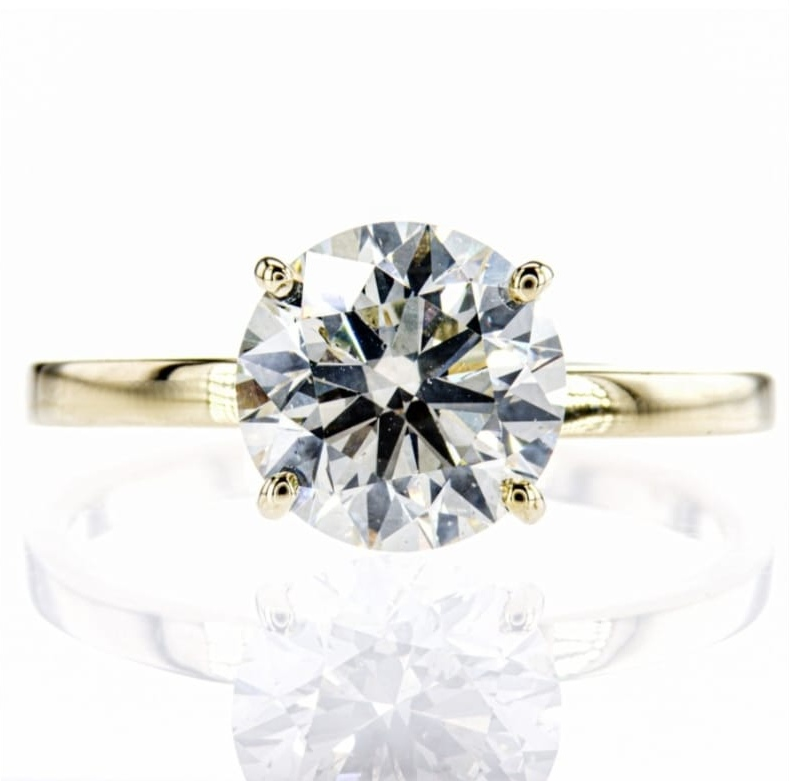
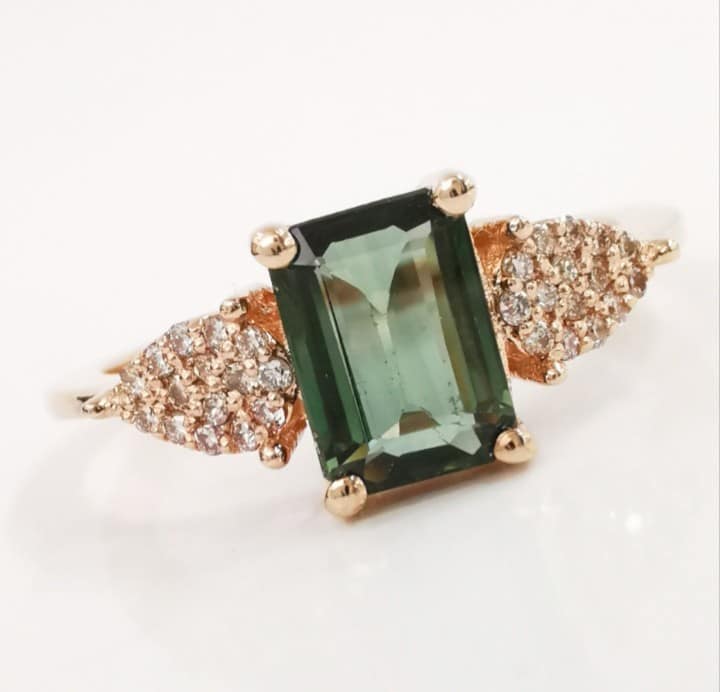
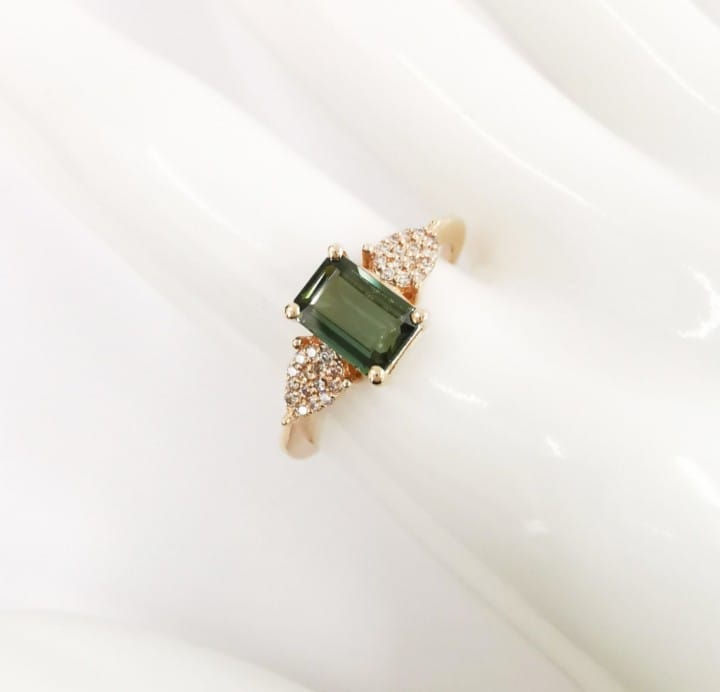
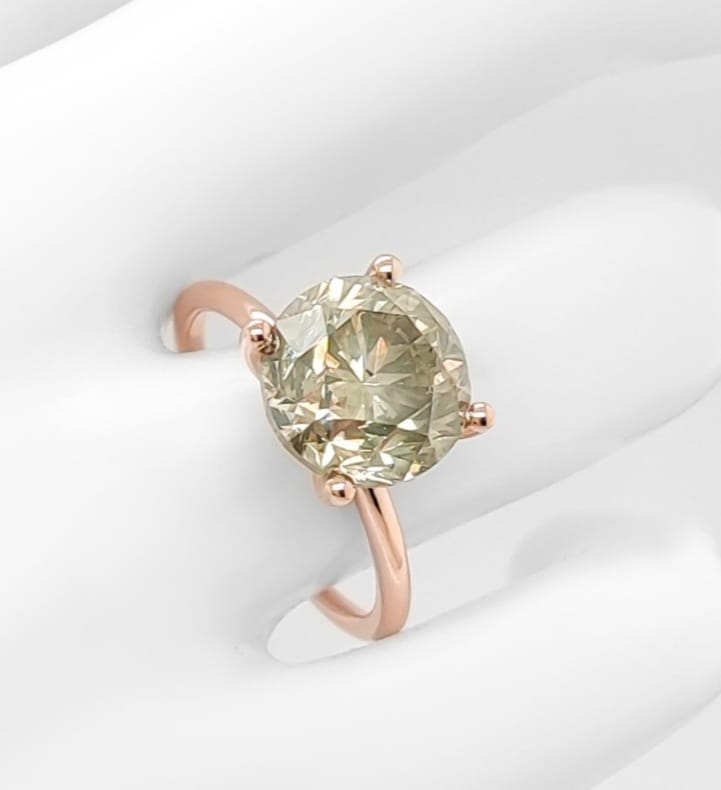
We buy direct from carefully selected family jewellery makers. Operating through social media and keeping minimum stock levels, we have low overheads. This means our clients buy quality natural mined diamonds at a pre-trade auction price, which means a sound investment and always growth in value potential.
One of the partners explained:
“We keep an eye on trends in the market so our ‘Gem fashionistas’ can be sure of showing off the latest in global vogue, as well as wearing a one-of-a-kind piece.”
Grey Diamond Specialists
At the moment, we are focusing on the emerging rare grey diamond market. The scarcity of these precious gems can only lead to an increase in value.
How Rare Are Grey Diamonds?
Grey diamonds are among the rarest fancy diamonds. They are rarer than blue, violet, and even pink diamonds. Only a few times a year do miners stumble upon grey diamonds in mines around the world.
Their rarity is the main reason why most people haven’t even heard of them yet. High Street jewellers don’t buy these in because their market is mainstream white diamonds, and greys are too short in supply and too specialist for them.
Rarity is directly linked to price when it comes to diamonds. Also, popularity for discerning trendsetters who, being ahead of the game, want to have something unique to show off.
Indeed, De Beers heavily endorsed this concept with their own lab-grown brand ‘Lightbox’, which they have now sold off to focus on colours. There is no doubt in our mind that lab-growns do have a certain sparkle about them. However, with more economical and faster processes, one cannot get away from the fact that they are imitation gems, as opposed to a natural diamond formed in the earth over millions of years.
To help settle recent debates about which gems to buy for value and rarity, we once again turn to De Beers, who are top of their grade when it comes to diamonds and value.
It used to be ‘the 4 C’s’ to value diamonds, but now the letter R for Rarity adds greater value. Natural coloured diamonds make up just 1% of all diamonds mined, which of course adds a premium to value.
Once focused on colourless diamonds, which are all too common, De Beers are now heavily promoting natural coloured diamonds, especially champagne, brown, and yellow hues.
Running campaigns like “Desert Diamonds” to differentiate them from lab-grown stones, they are tapping into demand for unique natural gems and positioning them as rare, earthy treasures. This shift is supported by significant marketing backing, including celebrity endorsements.
The demand for grey diamonds has also increased in the American market, with shrewd investors and fashionistas snapping them up when they become available at the right price — and the right price is what we at Rocque Diamonds are known for.
Once again following market trends, Rocque Diamonds are dropping white diamonds and, along with De Beers, providing rare coloured hues at our usual, available-to-the-public, pre-trade auction prices.
Our resident Diamond expert tells us that the market in natural ‘ White Diamonds ‘has dropped, due to Lab Grown imitations, advertised as ‘the real deal’, selling at a fraction of the cost. Indeed, DeBeers heavily endorsed this concept with their own Lab Grown brand ‘ Light Box ‘ which, they have now sold off, to focus on natural coloured Diamonds.
There is no doubt in our mind that Lab Grown, do have a certain sparkle about them. However, with more economical and faster processes, one cannot get away from the fact that, they are imitation gems, as opposed to, a natural Diamond formed in the earth, over millions of years.
To help settle recent debates about which gems to buy for value and rarity, we once again turn to DeBeers who are, top of their grade when it comes to Diamonds and value. It used to be ‘ the 4C’s ‘ to value Diamonds but, now the letter R for rarity adds greater value. Natural coloured Diamonds make up just 1% of all Diamonds mined. This of course, adds a premium to their value.
Once focused on colorless diamonds, which are now all too common, DeBeers are now heavily promoting natural coloured Diamonds, especially Grey, champagne, brown, and yellow hues.
DeBeers are running campaigns such as, “Desert Diamonds “, to differentiate them from lab-grown stones and tap into demand for unique natural gems. This positions them as rare, earthy treasures.
With significant marketing backing, including celebrity endorsements, the demand for grey Diamonds is also increasing, especially in the American
market, with shrewd investors and fashionistas snapping them up when they come available.